
Top MSc Medical Imaging Technology Colleges in Bangalore 2026
Explore the best MSc Medical Imaging Technology colleges in Bangalore — compare fees, placements, rankings, eligibility & admission process. Get free counselling from our experts.
MSc Medical Imaging Technology Colleges in Bangalore: Top Colleges, Admission Process, Exams, Placements, and Career Opportunities
The MSc Medical Imaging Technology course is a specialized postgraduate program designed to provide in-depth knowledge and hands-on experience in radiographic imaging, diagnostic techniques, and medical imaging sciences. Bangalore, being a hub for healthcare education, offers some of the top and best colleges for MSc Medical Imaging Technology, ensuring excellent academic and career opportunities.
What is MSc Medical Imaging Technology?
MSc Medical Imaging Technology is a two-year postgraduate program that focuses on advanced imaging techniques such as X-ray, MRI, CT scan, ultrasound, nuclear medicine, and interventional radiology. This course is crucial for professionals aiming to work in diagnostic centers, hospitals, radiology departments, and research institutions.
Key Subjects Covered in MSc Medical Imaging Technology:
-
Radiographic Physics and Equipment
-
Advanced Imaging Techniques (MRI, CT, Ultrasound)
-
Nuclear Medicine and PET Scanning
-
Interventional Radiology and Fluoroscopy
-
Radiation Protection and Patient Safety
-
Image Interpretation and Clinical Diagnosis
Graduates of this program play a crucial role in accurate disease diagnosis and treatment planning.
Top MSc Medical Imaging Technology Colleges in Bangalore
Bangalore is home to some of the top and best colleges offering MSc Medical Imaging Technology. These institutions are recognized for their state-of-the-art radiology labs, experienced faculty, and industry collaborations.
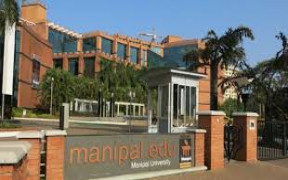
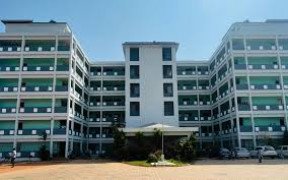
Best Colleges Offering MSc Medical Imaging Technology in Bangalore:





Reserve Your Seat in Top MSc Medical Imaging Technology Colleges
Our counsellors help 500+ students every year find the right college. Get personalised guidance — it's 100% free.
MSc Medical Imaging Technology Admission Procedure in Bangalore
The admission process for MSc Medical Imaging Technology in Bangalore includes eligibility criteria, entrance examinations, and selection procedures.
Admission Process:
-
Eligibility Criteria:
-
A Bachelor’s degree in Medical Imaging Technology (BSc MIT) or related fields from a recognized university.
-
A minimum of 50-60% marks in undergraduate studies.
-
Some universities prefer candidates with prior clinical or laboratory experience.
-
-
Entrance Examinations:
-
Some colleges conduct entrance exams to assess students' knowledge of radiographic sciences and imaging technology.
-
Topics include radiology physics, imaging techniques, and patient care.
-
-
Application Process:
-
Candidates must fill out the application form online or offline.
-
Submission of academic records, entrance exam scores, and identification proof.
-
-
Selection Process:
-
Shortlisted candidates undergo an interview or counseling session.
-
Final selection is based on merit, entrance exam performance, and academic records.
-
Direct Admission for MSc Medical Imaging Technology Colleges in Bangalore
Some top medical colleges in Bangalore offer direct admission to MSc Medical Imaging Technology through management quota. Direct admission is based on academic performance and availability of seats.
-
Advantages of Direct Admission:
-
No need for an entrance exam.
-
Faster admission process.
-
Ideal for students who meet eligibility criteria but want to skip competitive exams.
-
Placements After MSc Medical Imaging Technology in Bangalore
Bangalore provides excellent career opportunities for MSc MIT graduates. Leading hospitals, diagnostic centers, and research institutions actively hire skilled professionals.
Job Roles for MSc Medical Imaging Technology Graduates:
-
Radiologic Technologist in hospitals and imaging centers.
-
MRI or CT Scan Specialist in diagnostic laboratories.
-
Nuclear Medicine Technologist in healthcare institutions.
-
Interventional Radiographer in advanced radiology departments.
-
Medical Imaging Researcher in medical research labs.
-
Quality Control Analyst in radiology equipment manufacturing firms.
Top Healthcare Institutions Offering Placements in Bangalore:
-
Narayana Health
-
Manipal Hospitals
-
Apollo Hospitals
-
Fortis Healthcare
-
St. John’s Medical Hospital
-
Bangalore Medical College Hospital
MSc MIT graduates can expect starting salaries between ₹4 to ₹12 lakh per annum, depending on expertise and experience.
Why Study MSc Medical Imaging Technology?
-
High Demand for Diagnostic Imaging Experts:
-
The healthcare industry is expanding, increasing the demand for qualified imaging technologists.
-
-
Lucrative Career Prospects:
-
Professionals in this field earn attractive salaries and career growth opportunities.
-
-
Advanced Clinical Training:
-
Students gain practical experience in state-of-the-art diagnostic imaging laboratories.
-
-
Global Career Opportunities:
-
The degree is recognized worldwide, opening job opportunities in India and abroad.
-
MSc Medical Imaging Technology Fee in Bangalore
The fee structure for MSc Medical Imaging Technology in Bangalore varies based on the institution.
Average Fee Structure:
-
Government Colleges: ₹1.5 lakh to ₹3 lakh per year.
-
Private Colleges: ₹3 lakh to ₹7 lakh per year.
Several institutions provide scholarships and financial aid for meritorious students.
Conclusion
The MSc Medical Imaging Technology course in Bangalore offers exceptional career prospects, hands-on clinical training, and high-paying job opportunities. With top medical colleges, cutting-edge laboratory facilities, and strong industry demand, Bangalore is one of the best destinations to pursue this course. If you are passionate about radiology, diagnostic imaging, and patient care, this program is the perfect gateway to a successful medical imaging career.
There are currently 18 MSc Medical Imaging Technology colleges listed on Think For Education.
There are 9 MSc Medical Imaging Technology colleges in Bangalore listed on this page.
There are 18 MSc Medical Imaging Technology colleges in Karnataka available in our listing.
There are 18 private MSc Medical Imaging Technology colleges listed.
The typical duration of MSc Medical Imaging Technology is 2 Years.
Eligibility for MSc Medical Imaging Technology: Graduation
Entrance exams commonly considered for MSc Medical Imaging Technology admission include: ["-"].
MSc Medical Imaging Technology is commonly offered in Regular mode in Bangalore.
MSc Medical Imaging Technology is a postgraduate program that focuses on advanced imaging techniques such as MRI, CT scans, ultrasound, and X-rays to diagnose and treat medical conditions. It plays a crucial role in modern healthcare.
The MSc Medical Imaging Technology course typically takes two years to complete, divided into four semesters, including theoretical studies, practical training, and clinical internships.
Candidates applying for MSc Medical Imaging Technology should have a BSc in Medical Imaging Technology, Radiography, or a related field with a minimum aggregate score (usually 50-55%, depending on the university).
The tuition fee for MSc Medical Imaging Technology ranges between ₹1.5 lakh to ₹3 lakh per year, depending on the institute, facilities, and location.
No, MSc Medical Imaging Technology is a practical-based course that requires clinical training, making distance learning an unsuitable option.
Graduates of MSc Medical Imaging Technology can work as radiographers, MRI technologists, CT scan specialists, sonographers, and imaging consultants in hospitals, diagnostic centers, and research institutions.
The starting salary for MSc Medical Imaging Technology professionals ranges from ₹4 lakh to ₹7 lakh per annum, which increases with experience and specialization.
Yes, after MSc Medical Imaging Technology, you can start your own diagnostic imaging center, provided you meet the necessary licensing and regulatory requirements.
The MSc Medical Imaging Technology syllabus includes Radiographic Techniques, Advanced Imaging Modalities, Radiation Physics, Anatomy, Pathology, and Image Processing.
Yes, after MSc Medical Imaging Technology, you can opt for a PhD in Radiology, Medical Imaging, or related fields for research and academic careers.
MSc Medical Imaging Technology focuses on operating imaging equipment and diagnostic techniques, while MSc Radiology is more clinical and involves interpretation of imaging results by doctors.
Yes, after MSc Medical Imaging Technology, you can work in forensic imaging, assisting in criminal investigations using CT and MRI scans.
Yes, after MSc Medical Imaging Technology, you can work abroad, but you may need to clear certification exams like ARRT (USA) or HCPC (UK).
Yes, after MSc Medical Imaging Technology, you can work in medical research, developing new imaging techniques and improving diagnostic accuracy.
Yes, MSc Medical Imaging Technology covers nuclear medicine imaging, which is used for PET scans and other radiopharmaceutical techniques
Yes, MSc Medical Imaging Technology graduates are in high demand in multispecialty hospitals, working in radiology departments.